
Pride Month meets Summerween
35 Horror Recs For Pride Month

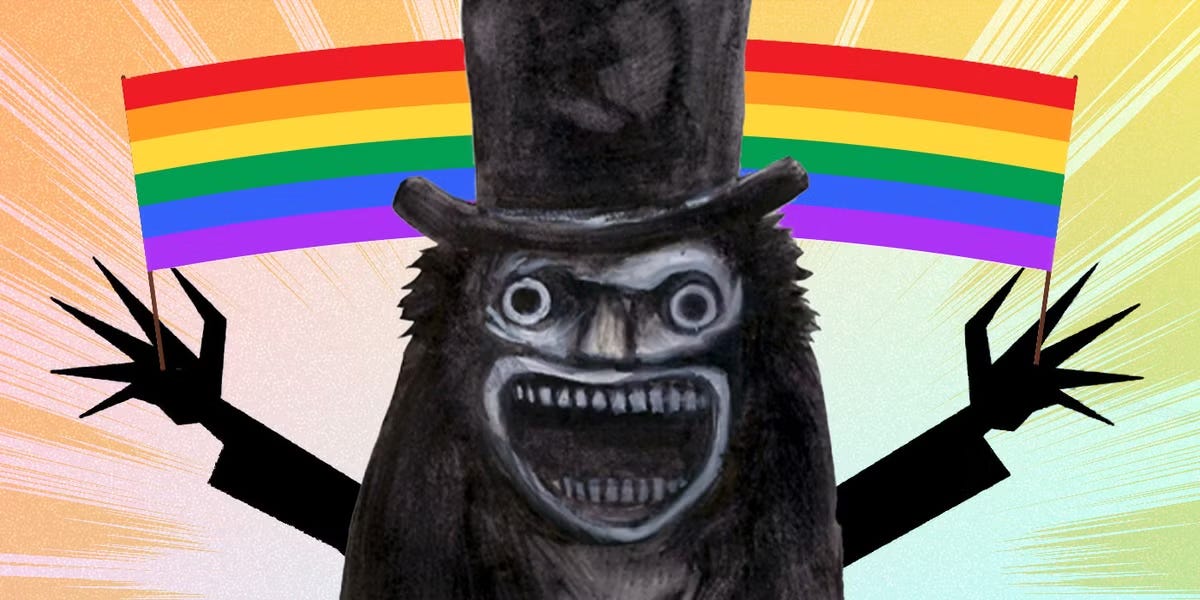
The world around us is getting scarier and scarier, isn’t it? In times like these, one may wonder why anyone would find solace in the horror genre, but many people find release in the ability to scare themselves—and fiction’s ability to provide other kinds of catharsis. As Pride Month comes to a close, I wanted to take some time to discuss how horror intersects with queerness—specifically, how the horror genre has become a haven for queer art depicting the LGBT experience, or even queer joy. In considering my own book collection this June, I realized I have found dozens more queer horror novels than in any other genre. I was able to rattle off a list of two dozen book recommendations without having to think about it very hard! The identification goes beyond outright representation. In 2016, Jennifer Kent’s The Babadook—a heartbreaking and chilling film about motherhood, grief, depression, and monsters—became a meme for Netflix’s supposed accidental placing of the film in its LGBT section. The film contains no overt queer themes, but the Internet embraced the meme, and the queer community embraced the dapper Babadook.
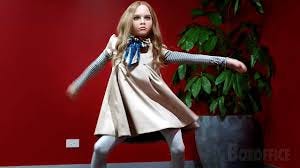
In 2023, the trend would continue with campy horror-comedy M3gan, about a robot friend for a grieving child who turns murderous. Stacy Henley examined the phenomena, rejecting the idea that the appeal came from the film’s “found family” story (anyone who has seen the film would roll their eyes at this). Instead, Henley attributes the movie’s gay success to two things: “Firstly, [M3gan] is the sort of well-dressed, immaculately styled bitchy villain we see deliver punchy burns in our favourite sitcoms… Secondly, from her blonde wig to her poofy bow to her energetic dance moves, she’s basically a killer drag queen.” The joke was so prominent, it made it into an SNL skit!
One may wonder why horror—a genre so steeped in darkness, pain, and trauma—is such a popular genre with the LGBTQ community. The answer in my mind seems simple: because queer kids grow up knowing what it means not to belong, to feel like an outsider, or even a monster. (This concept is particularly highlighted in favorite author Jennifer McMahon’s upcoming essay “Monster Girl: How Horror Gave Me A Place to Belong,” found in Becky Siegel Spratford’s Why I Love Horror: Essays on Horror Literature, out this September.) In 2023, Matt Mason investigated the queer community’s love for horror, and in the resulting article, he discusses the genre’s ability to play with identity, but also the community (horror often gives misfits a place to bond, both fictionally and in real life), the subversive nature of the genre, and the genre’s “therapeutic and empowering” aspects. This is something I myself can relate to, as a former scaredy cat; horror is like a roller coaster, a way to give yourself thrills and chills while remaining in control. You can close the book or turn off the TV at any time. This is true of all fiction, but particularly a genre where we can let our darkest impulses run wild while hurting no one. Mason says, “It’s a safe space to explore fears and it’s also one where we are fully in control of those fears… ‘I spit in the face of social norms’ was another great answer.”
In a world where real life, politics, war, and genocide create enough fear to make anyone have anxiety, love for spooky things is on the rise. A recent trend of Summerween—inspired by a 2012 episode of Gravity Falls (happy belated Summerween, it’s June 22 apparently)—has spread from TikTok videos last year, to targeted merchandise at Walmart, TJ Maxx, and other home goods stores this summer. Perhaps this is just another example of capitalist consumerism running wild, encouraging consumers to buy things they don’t need by putting out Halloween decorations four months in advance; but horror has been on the rise in other ways as well, experiencing a full-blown renaissance. Perhaps there is a correlation between upticks of the horror genre and political/worldwide turmoil; but that’s a discussion for another article.
In celebration of Pride Month, I wanted to take the time to recommend some of my own favorite queer horror media—particularly novels. I’ve given myself a set of rules so this article doesn’t go off the rails: The media has to feature at least one LGBTQ character who is not a two-second cameo, and their queerness has to be relevant in more than one or two scenes. (Otherwise, I’d be here all day, listing Disney’s 50 First Ever Gay Characters.) It has to be legitimate and not just subtext (RIP to all my favorite subtextual queer books and movies). I’m going to focus on the plots of these books/movies/shows and why I love them, because we all already know they have queer characters, but I will drop a line discussing what kind of representation readers can expect. I am only recommending things I’ve seen—no word of mouth, sadly. Also, this is horror. A lot of these have legitimate romances with happy endings, but also, a lot of them don’t. I’m not going to specify which is which in this article, because spoilers, so please read at your own risk.
Queer Horror Films
The Fear Street Trilogy (2021)
I absolutely love the Fear Street trilogy (I haven’t seen the new one yet), and I’ve got an essay banked up inside me about how these movies are the ultimate horror trilogy for seasoned fans. But focusing on the films themselves: Fear Street 1994, 1974, and 1666 were the first long-awaited adaptations of R.L. Stine’s YA answer to Goosebumps, the Fear Street books. (I was a Goosebumps kid, so I can’t speak to their quality as adaptations, sadly.) The films follow different eras of tragedy, murders, and hauntings in Shadyside, the black sheep sister town to Sunnydale, which are blamed on Sarah Fier, the witch hanged in 1666. 1994 is a fevered race around town as high schoolers start to untangle the mystery surrounding Sarah Fier. 1974 is a summer slasher right out of the Friday the 13th movies, but with way more heart. And 1666 follows Sarah herself. The entire trilogy surrounds two beautiful sapphic love stories, as well as many lovely friendships and sibling bonds—and 1974 has some excellent subtext surrounding Cindy and Alice. (Hey, it doesn’t count because the movies are overtly queer already!) Check these out on Netflix.
I Saw The TV Glow (2024)
Everything they say about Jane Schoenbrun’s masterpiece is true. I Saw The TV Glow is dizzying, haunting, magical, horrifying, and breathtaking. The film follows unexpected friends Owen and Maddy in the 1990’s as they bond over cult classic tv show The Pink Opaque. As the story gets more wistful and surreal, the tension rises as Owen and Maddy grapple with their identities. I saw this in theaters with my ex-roommate and was nostalgic for my X-Files fandom days (90’s bisexual icons Mulder and Scully…); my roommate was reminded of Buffy, Schoenburn’s inspiration. As a cis woman, I can only say so much about this film’s deeper messaging, but I highly recommend it. There is still time!
The Rocky Horror Picture Show (1975)
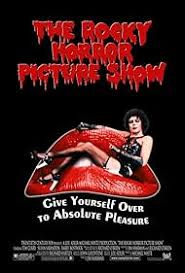
There’s a reason this film is still shown with shadow casts today. Although younger members of the queer community may lampshade Rocky Horror for its outdated terminology, this film is a powerhouse of queer culture. This cult classic has garnered a lovely reputation around raucous showings where viewers show up in costume, interact directly with the film, and dance along to the iconic musical numbers you probably know from Halloween playlists. Max Newman writes about how the film gives self-proclaimed “weirdos” space to express themselves, saying, “With this entrance into the community, I’m confident [they] will learn that it’s not just OK, but encouraged, to be exactly who you are, no matter how different, weird or Queer you may be.” My own lackluster viewing experience makes me particularly anxious to attend a good showing!
Bodies Bodies Bodies (2022)
One of my favorite horror-comedies in recent memory, Bodies Bodies Bodies is the perfect satire of Gen Z (said as a 2001 baby)—particularly the privileged. The movie follows Bee traveling with her new girlfriend Sophie to ride out a hurricane in a mansion with Sophie’s semi-estranged friend group. Things turn upside down when an innocent Mafia-style game turns dangerous, and bodies start cropping up. The cast is perfect, the movie is endlessly fun and hilarious, the ending will make your jaw drop, and the first shot is an extended kiss scene between Amandla Stenburg and Maria Bakalova. Check it out!
Jennifer’s Body (2009)
I know I said no subtext, but I think Jennifer’s Body does not fall exclusively under subtext when the writer intended queer themes to be a part of the movie. In 2024, writer Diablo Cody said, “First of all, I think it's pretty obviously a queer relationship between Needy and Jennifer… We didn't get to go there, at least not as much as we wanted to. Luckily the subtext was there, and people were able to take that away.” A shallow viewing of Diablo Cody and Karyn Kasuma’s film may indicate a mocking tone to viewers—“You’re totally lesbi-gay!” a character tells protagonist Needy as she waves adoringly to best friend Jennifer and silently monologues, Sandbox love never dies. This is the interpretation I had viewing the movie only in GIFs (I do not recommend this as a consumer technique). But sitting down and watching the film is a different experience, as the complex, sometimes toxic friendship between Needy and Jennifer unfolds, as demonic possession and boys’ deaths complicate things. The film was initially negatively received, as male viewers often miss the point; viewing Megan Fox under the male gaze, they found the film’s gaze to be uniquely female. Jennifer’s Body particularly appeals to the bisexual experience. Author Carmen Maria Machado says, “... its energy is exceptionally specific: what it means to experience parallel sexualities with your best friend as you punch through the last vestiges of childhood; and, significantly, the central body of water that is bisexuality.”
We Need To Do Something (2021)
Consider this my endorsement for both the film starring Sierra McCormack, and the novella by Max Booth III. We Need To Do Something is the story of a dysfunctional family riding out a tornado in their bathroom, where they soon become trapped. This film is both devastating and loads of fun, providing one of the best jump scares in recent memory, and offering up witchy vibes alongside the disaster movie scares. McCormack’s Melissa carries the film, at turns sarcastic, hilarious, protective, and grimly determined. This is a product of the COVID era that I hope will become a horror mainstay.
Queer Horror TV Shows
The Haunting of Bly Manor (2020)
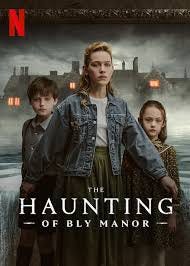
This is probably the most obvious rec, but it can't be dismissed; Bly Manor is a masterpiece of Gothic ghost stories. Another adaptation of Henry James’s The Turning of the Screw, and a second series in Mike Flanagan’s The Haunting anthology, Bly is a powerhouse of a miniseries, following new nanny Dani as she moves to Bly to care for recently orphaned Flora and Miles. It's also a genuinely cozy and enjoyable show that will break your heart and wrap you in a blanket as it does so. One of the most quoted lines from this show is, “It's not a ghost story. It's a love story.” But this show is certainly both, depicting several tragic love stories with a beautiful sapphic one at its center.
The Haunting of Hill House (2018)
Mike Flanagan’s adaptation of Shirley Jackson's classic haunted house novels walks to the beat of its own drum; however, one preserved and enhanced aspect of the novel is Theodora’s sexuality—strongly hinted at in Jackson's novel, Theo is explicitly a lesbian from her first appearance. The show follows the Crain family in two timelines: as adults, the five siblings are still reeling from the summer spent in Hill House, which marked their lives forever. This show is a heartbreaking look at grief, memories, families, and ghosts that I watch nearly every year as part of my Halloween tradition.
The Magnus Archives (2016-2021)
This is a podcast, but I didn't know where else to put it. And Rusty Quill’s The Magnus Archives has all the appeal of a television show, with 200 episodes making up its original run, and a sequel show that I need to check out. It begins as an anthology as Head Archivist Jonathan Sims records statements of the supernatural given at the Magnus Institute, but strange occurrences and plot build over time. This podcast defined my 2020 experience as I followed it along, and provides many characters (queer or otherwise) to love and mourn for as you follow them along.
The Midnight Club (2022)
I'm almost reluctant to recommend this show—not because it isn't excellent, but because it was cancelled before its time. (Netflix, please stop doing this. I'm spitefully not recommending Stranger Things as a part of this list.) Still, I thought it deserved a place on this list. The Midnight Club is Mike Flanagan's adaptation of Christopher Pike’s 1994 novel, almost a Fault in Our Stars prototype, but spooky. The story follows a group of terminally ill teenagers living in a hospice, who meet nightly to tell eerie stories—and who make a pact that the first one of them to die has to come back and give the others proof of the afterlife. Flanagan uses the titular club as a vehicle to adapt other Pike novels popular in the 90’s. Both the novel and the show are much more focused on the melancholy nature of dying than outright scares, but are beautiful stories. The show is particularly moving in its depiction of Spencer, who has AIDS. The lack of a second season is particularly painful when reading Mike Flanagan’s plans for each character on Tumblr, showing a departure from Spencer’s ending in Pike’s novel. (Netflix, please sell the show to Amazon so they can make a second season??)
What We Do In The Shadows (2019-2024)
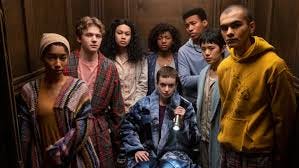
This one is probably cheating, because I haven’t watched the sixth season of WWDITS. (I hear it failed to live up to its full queer potential.) But this delightful comedy-horror romp about vampire roommates and their familiar living in Staten Island can’t go without tribute. This show is full of larger tributes to the vampire genre—the star-studded vampire council in season 1, the vampire-werewolf kickball game in season 3—but excels largely in the quieter moments, focused on the bizarre family created by Nandor, Nadja, Laszlo, Colin Robinson, and Guillermo (the heart of the show). If you want to overanalyze the murderous nature of the vampires’ lives, the show becomes a lot more horrifying, but mostly, it’s just hilarious. And as iconic bicon Laszlo says, “Gay is in. Gay is hot. I want some gay. Gay it's gonna be.”
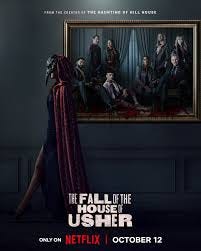
The Fall of the House of Usher (2023)
I squealed like the eager fangirl I am when Mike Flanagan’s take on Edgar Allen Poe was announced, and this show is certainly a rollicking good time. (Watch out for the end of Episode 2, though; I didn’t sleep for a week.) This miniseries follows the downfall of the Usher family, this universe’s answer to the Sacklers, as each scandalous member lives out their own private Poe story. The show adapts many of Poe’s highlights—Masque of the Red Death, The Cask of Amontillado, The Tell-Tale Heart, The Black Cat—with modern, all-too-relevant twists, and the cast is full of people you will love to hate. This series has several queer characters, and is well worth the watch if you don’t mind some blood and guts.
Queer Horror Literature
Buckle in, this will be the longest section yet.
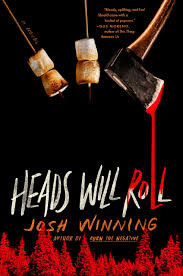
Heads Will Roll by Josh Winning
This moody slasher set at an adult summer camp is the perfect read for a Pride-full Summerween. Heads follows “Willow,” a recently canceled sitcom star doing a technology detox at Camp Castaway. In the midst of personal healing, Willow is forced to confront both her past and a serial killer picking off the isolated campers one by one. The sapphic love story at the center of this is cute and refreshing, with well-written conflict gay relationships don’t often get.
All Hallows by Christopher Golden
It’s Halloween night in Coventry, Massachusetts, and the Cunning Man is roaming, along with four creepy children who don’t belong. This novel follows several families throughout the night, from a good old-fashioned haunted trail, to trick-or-treating, to a Halloween party, to the neighborhood streets after dark. It also follows the challenges of growing up gay in the suburbs in the 1980’s. This novel is a fun folkloric holiday read I expect to make annual.
Camp Damascus by Chuck Tingle
For truly queer horror—unquestionably and irremovable—read Chuck Tingle. The author best known for hilarious queer erotica has spoken in an interview with podcast Talking Scared about how he wants to write distinctly gay stories, for queer readers, based in their experiences. Camp Damascus is an excellent example, skewering the horrific real-life experience of conversion camps—and the Christian hypocrisy that goes into such institutions—perfectly, without ever subjecting its reader to that conversion camp. It follows Rose, a devoted member of her religious community, who begins noticing a strange woman watching her, alongside other odd occurrences. This novel is funny, scary, brilliantly satirical, sweet, and incredibly validating. I look forward to reading Tingle’s future releases!
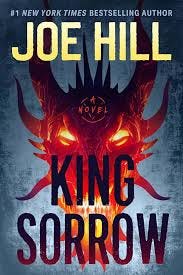
King Sorrow by Joe Hill (out October 21)
I was fortunate enough to receive a digital ARC for Joe Hill’s King Sorrow, and I’m incredibly glad I did; I sense this will be a new favorite novel. The Secret History meets high fantasy meets fantasy-horror, in this excellent novel following Arthur and his group of friends at Rackham College as they summon an ancient dragon sworn to protect them. The only issue is they must choose someone to sacrifice to Sorrow—every year. This was a delightful horror-fantasy-epic on so many levels, but I was pleasantly surprised by the queer subplot surrounding one of my favorite characters. If you’ve ever wanted to watch grown-up rich kids tangle with an ancient dragon, pick this up this fall.
We Used To Live Here by Marcus Kliewer
This much-hyped new release, originating as a NoSleep story on Reddit, is worth the hype, in my opinion. Kliewer’s chilling tale follows Eve and Charlie, a couple renovating an old house whose lives slip quickly into madness when a family shows up on their doorstep, claiming they used to live there. This is a chilling puzzle-box of a book that will raise the hairs on the back of your neck, and maybe break your heart a little at the end. I’m still thinking about those final lines.
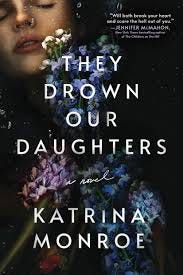
They Drown Our Daughters by Katrina Monroe
Monroe’s first horror novel is a matriarchal story of curses, generational trauma, witchcraft, jokes, and the sea—a perfect spooky beach read, if you dare! When Meredith returns home with daughter Alice in the midst of a divorce, she expects her mother Judith’s rants about the ghosts in the water, coming for all three of them; but her stay at home is complicated by the return of old ghosts, new revelations about her family, and a culmination of a century-old hurt. This multi-protagonist novel is wonderful in its depiction of a haunted house and a haunted family, but also wonderful in its casual portraying of Meredith’s separation from her wife. Gay people need divorce stories, too!
The Drowning Kind by Jennifer McMahon
Want a companion to the previous book, another story of cursed women doomed to drown? What about a story about a haunted swimming pool? I can’t recommend The Drowning Kind enough. As with most of McMahon’s books, the book runs on two timelines. In 2019, Jax is left only to reminisce about closeness with her older sister Lexie, spending summers swimming in their grandmother’s eerie pool. But when she’s called home in response to Lexie drowning in that pool, she begins to question everything. In 1929, Ethel dearly wants a child, and wonders if a trip to a mysterious spring will grant her wish—but wishes come with a steep price.
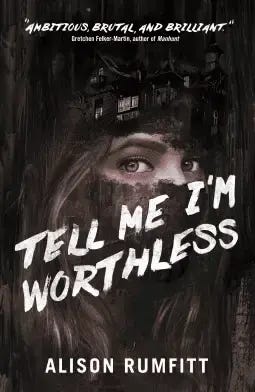
Tell Me I’m Worthless by Alison Rumfitt
For one hell of a unique haunted house story, check out Rumfitt’s Worthless. One night, friends Alice, Ila, and Hannah go into abandoned house Albion. Hannah never comes out; and Alice’s and Ila’s relationship is never the same. But caught in the trauma from that night, Alice and Ila must reunite and go back to figure out what happened. This UK-based story is sadly particularly relevant in its themes of hate, prejudice, and anti-trans ideology; it’s a very British story, but its themes are very relevant in today’s America as well. Be sure to check trigger warnings before reading this book, as some parts are incredibly upsetting and use heavy language—but this read is horrifying in its real-world relevance, almost moreso than the supernatural.
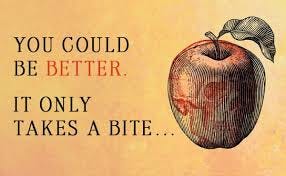
Black River Orchard by Chuck Wendig
One of my absolute favorite horror epics in recent year, Black River Orchard is a modern folk-horror following the very strange apples grown in small town Pennsylvania. It follows the orchard-tender Dan and his influencer daughter, Calla; apple-hunter John Compass (this is a real job); Joanie Moreau, a homeowner who rents… interesting houses; and Emily, returning to her wife Meg’s hometown to start over. All converge around the Ruby Slipper apple as the townsfolk grow more and more sinister… This book is a rollicking good time, and offers representation not just in Emily and Meg’s toxic marriage, but also in secondary characters Lucas and Esther. Above all, it’s a unique, creative tale of horrific Americana, and I can’t recommend it enough.
Graveyard of Lost Children by Katrina Monroe
Olivia has just had her first baby. She and her wife should be overjoyed, but suddenly Olivia is unable to stop remembering her own mother—a woman she’s never really known. Olivia’s mother Shannon has been locked up for most of Olivia’s life. She believed her baby was a changeling and tried to trade Olivia back to “the woman in the well.” Now this woman is knocking on Olivia’s windows. This is a chilling and heartbreaking mother-daughter story, as well as an interesting take on changelings, and a successor to the legacy of Mother-Horror that has become so popular lately. I highly recommend, but also recommend checking warnings for this book’s raw depiction of postpartum depression.
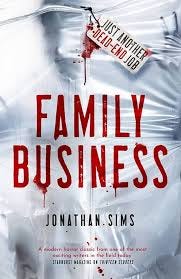
Family Business by Jonathan Sims
For anyone eyeing that author name, like Hmmm… yes, this is the same Jonathan Sims from the Magnus Archives… sort-of, but not really at all. Jonny Sims wrote and voiced the main character in TMA, which he also named after himself. The confusing nature of this hasn’t stopped him from becoming one of my favorite horror writers ever. Family Business follows Diya, who in grieving her best friend Angie, has gotten a job at Slough & Sons cleaning up after deaths. This is unusual because it’s a family business—and Diya isn’t a Slough. But there is a reason Diya has been hired, and she will uncover it. Sims’ work is usually delightfully queer, as well as a good scare, and this read did not disappoint.
Dismantled by Jennifer McMahon
I have to mention The Secret History again, even though I’ve read this book more often than that one! But yes, this book is a lot like The Secret History if that book was about women. In college, Henry, Tess, Winnie, and Suz were the Compassionate Dismantlers, who believed that Dismantlement = Freedom, and were devoted to the taking apart of things until one horrible night changed everything. Now Henry and Tess are stuck in an unhappy marriage, worrying for their daughter Emma, and trying to forget their past—until the Dismantlers get a postcard that brings everything back. Part ghost story, part literary fiction, part thriller, McMahon’s underrated classic deserves to be more widely discussed.
The Indian Lake Trilogy by Stephen Graham Jones
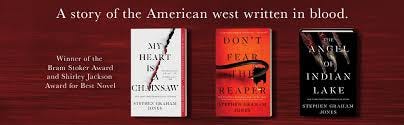
Are you looking for the literary successor to Scream? Well, you can’t go wrong with the Indian Lake Trilogy, a delightfully meta trilogy of slashers that proves Jones is perhaps even more familiar with the genre than Kevin Williamson. Really, the meta-commentary present in Jones’s novels—as well as the scathing critiques of American history and society from the indigenous perspectives—bring rightful comparisons of Jordan Peele in my mind: here are two men at the top of their craft, showing us exactly how well they know their genre. Anyways: this trilogy, starting with My Heart is a Chainsaw, follows slasher expert Jade Daniels, an outcast who has buried her loneliness in horror movies, as so many of us do. When bodies start dropping around the small Midwest town of Proofrock, Jade knows a slasher when she sees one—but she never expects to be the final girl. This trilogy is wonderful and heartbreaking, and I’m eager to reread.
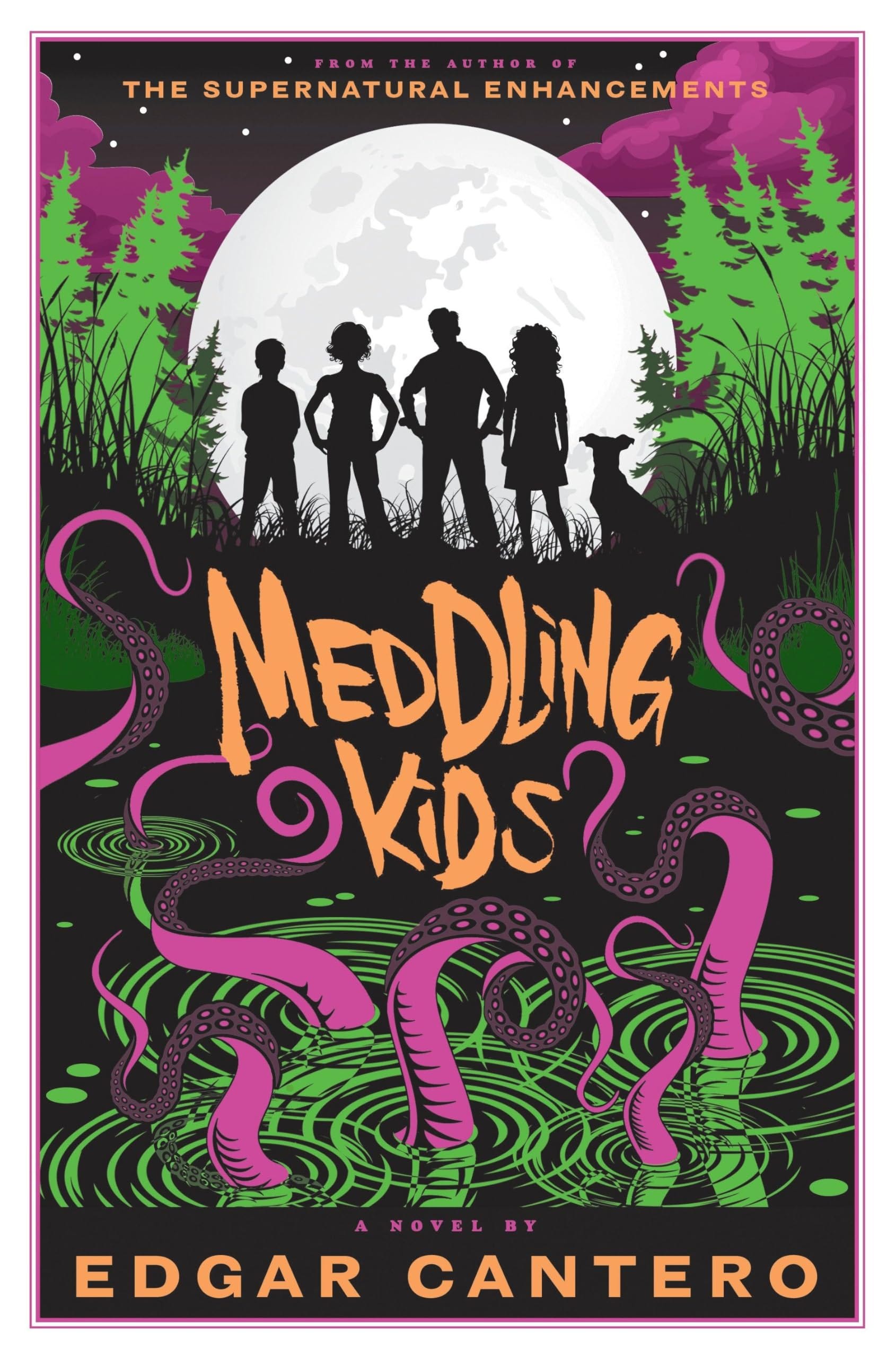
Meddling Kids by Edgar Cantero
This book is the answer to anyone who has ever wondered what Mystery Inc would be like as jaded adults (although I’ve read that the series is also a tribute to Enid Blyton’s Famous Five books). Cantero’s book follows the remaining members of the Blyton Summer Detective as they reunite in 1990, back home where they once caught a man playing monster. But the monsters are more real than they remember, which is why none of them have ever fully recovered—and one hasn’t even made it to adulthood. Andy, Kerri, Nate, and descendant of their original dog Tim must confront the evil living in Blyton Hills.
The Haunting of Velkwood by Gwendolyn Kiste
Aptly compared to Yellowjackets, Kiste’s Velkwood is a story of ghosts, secrets, community, girlhood, and confronting one’s sexuality. One night, a neighborhood later known as the Velkwood Vicinity vanishes, turning into a hazardous area of ghosts that no one can enter except the three survivors: college girls returning back to school. Now twenty years later, Talitha decides to return to the site of the tragedy, laden with memories of her lost family and the friends that came out with her. I sped through this like a good meal, and the relationship between Talitha and Brett was the sweetest main course. I anticipate this being another favorite.
Such A Pretty Smile by Kristi DeMeester
This novel is a furious manifesto against the thousand little micro- and macro-aggressions meant to keep modern women in place. DeMeester’s novel concerns the Cur, a serial killer who targets “trouble-making” girls “who don’t know when to shut up.” In 2019, 13-year-old Lila ignores the frightening news stories—and equally frightening visions—trying to fit in with new friend Macie, but secrets of her own, and from her mother’s past, threaten to engulf her. In 2004, Carolina is struggling to sleep, struggling with strange sounds like dogs barking. And strange memories she can’t place, coming in like a tidal wave… This sharp double-edged story will entice any reader who has ever felt so angry with the world, they want to scream.
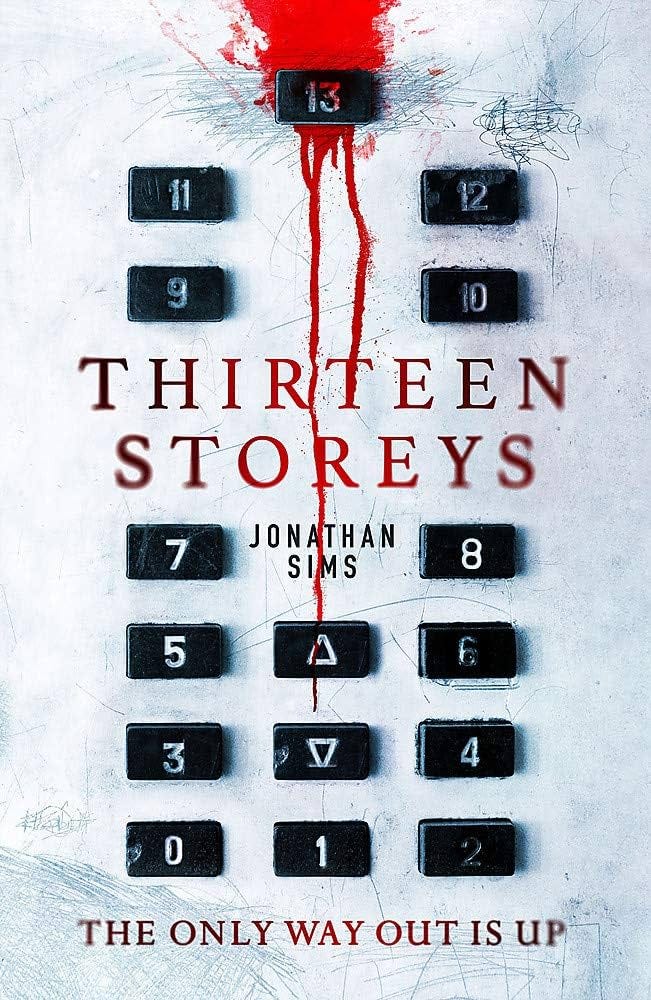
Thirteen Storeys by Jonathan Sims
Sims’ first literary outing should not be missed, with a structure somewhat reminiscent of his famous podcast. Twelve guests have been invited to the penthouse home of Tobias Fell, billionaire and commissioner of Banyan Court, an apartment building that holds residents of all classes. Fell has invited each guest for a reason: their haunting experience within the walls of Banyan. And Fell will not leave the dinner alive. Sims has constructed an excellent ghost story made up of twelve smaller ghost stories—and all-too relevant commentary on capitalism, technology, the one percent, and many other issues that plague our modern day. Sims cements himself as a writer who both understands the craft of a good scare, and the deeper meaning that can come behind one.
The Babysitter Lives by Stephen Graham Jones
Initially only available as an Audible exclusive, Jones’s novella will be released in print alongside Killer on the Road in July. Reminiscent of spooky tales of old—movies like Halloween or When A Stranger Calls—Babysitter follows Charlotte, a practical teen spending the night before Halloween babysitting the Wilbanks twins and planning to study for the ACT. But there’s something wrong this night, and it’s more than Charlotte’s memory of the mishap of her last job. It’s something she’s heard about the house, something in the strange games the twins want her to play, something in the walls themselves… This was such a fun listen, and I’m so excited to get the print copy!
My Darling Girl by Jennifer McMahon
Anyone want “spooky Christmas in July?” This is the book for you. Alison has always struggled with competing memories of her mother: the wonderful, and the outright horrific. But when she discovers her mother is terminally ill, she feels the need to reopen their relationship, and brings Mavis home to die. Things start off better than Alison could have imagined; Mavis is even bonding with her granddaughters. But as the holidays start to turn sinister, Alison begins to wonder: what is really wrong with her mother?
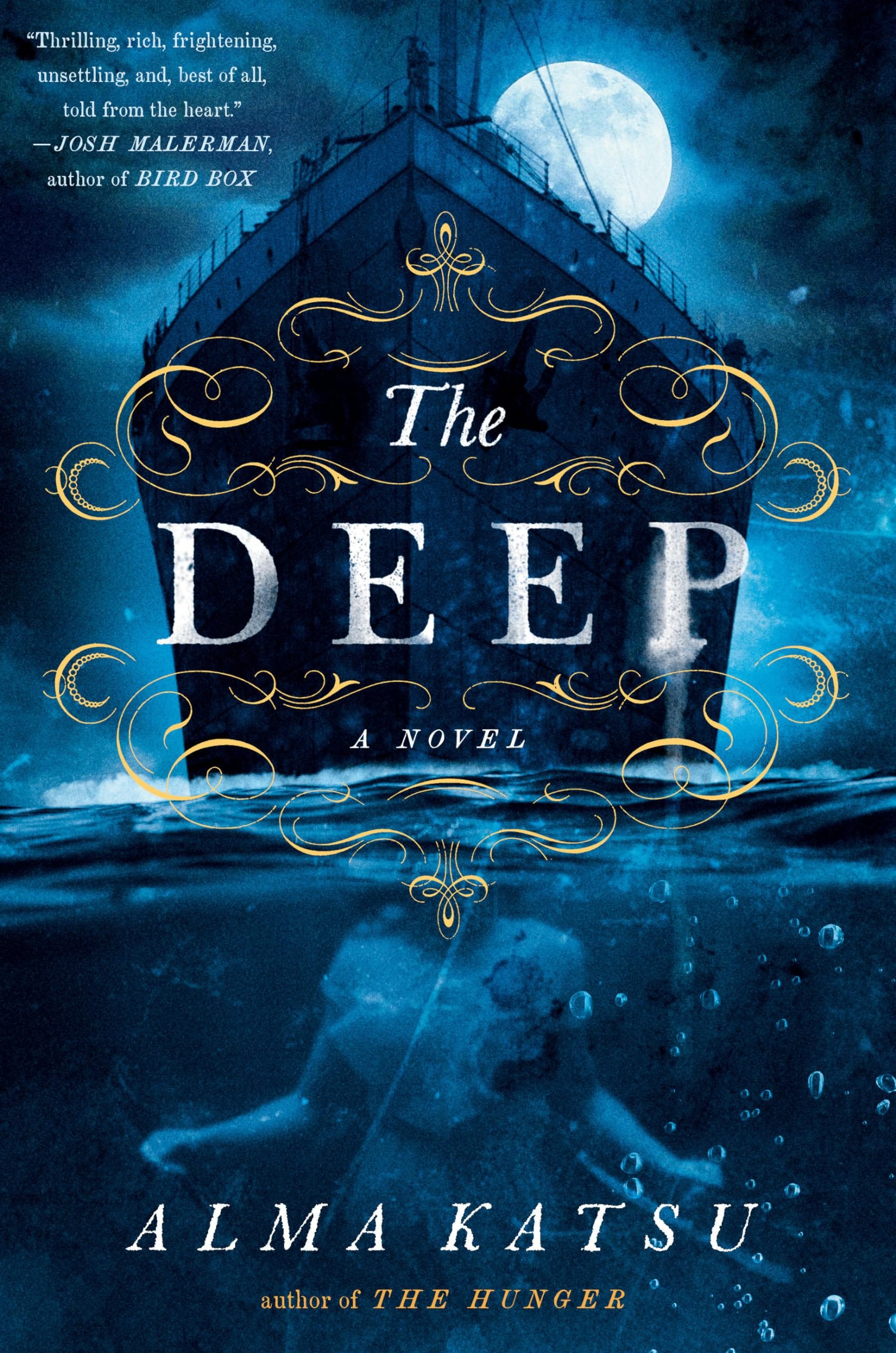
The Deep by Alma Katsu
Alma Katsu has caught my eye as a writer of historical horror, and the history nerd in me loves it. I was incredibly excited for this ghostly retelling of the Titanic and Britannic maritime tragedies. In the days before the sinking, passengers on the Titanic are haunted by ghostly happenings; could there be a connection to the tragedy to come? Years later, Annie Hebbley is still reeling from her experience onboard when she begins work on the Britanic, and comes across a man she remembers from that ship, a man she’s sure should be dead. Katsu’s historical ensemble cast is well worth the read; I would also recommend The Hunger, her take on the Donner Party.
“Reply Hazy, Try Again” and “Bad Dolls” in Bad Dolls by Rachel Harrison
As one of my new favorite authors, I could ramble about Harrison forever (the SUBTEXT in So Thirsty…), but I’ll limit myself to these two short stories in this excellent collection, which you should really read all the way through. In Bad Dolls, Mackenzie returns home after the death of her baby sister and tries to heal, but the weird-ass doll in her new attic apartment is making the process very hard. In Reply Hazy, Try Again, Jordan discovers an… unusual Magic 8 Ball, that seems determined to tell her a lot about herself which she may or may not already know. These are both sapphic short stories; Dolls is particularly spooky and sad, and Hazy is incredibly sweet.
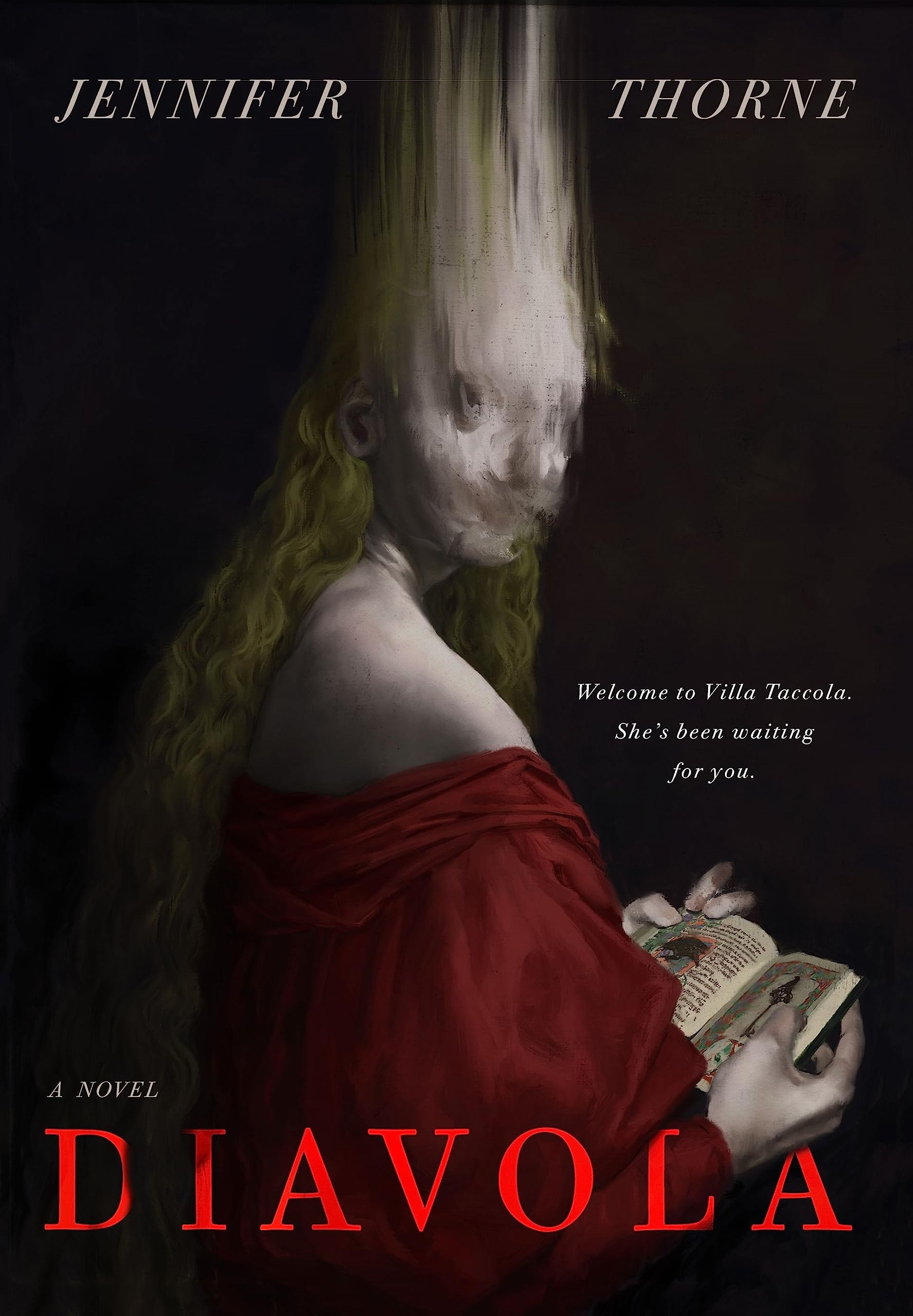
Diavola by Jennifer Thorn
Maybe the most recent read on the list for me, Diavola is probably the perfect summer read on this list… especially if you’re on vacation with your family, and they’re really driving you crazy. Anna is used to being the black sheep of the Pace family; she goes into family vacation anticipating drama. But this villa in Monteperso, Italy seems particularly designed to sow discourse. On top of the normal jabs from siblings and parents, Anna notices their vacation is plagued by phantom hands and voices, missing time, odd lights, and strange warnings from the locals… but can she convince her family to listen before it’s too late?
Dark Sisters by Kristi DeMeester (out December 9)
Dark Sisters combines witchy vibes with the intergenerational curses of Jennifer McMahon, Katrina Monroe, and V. Castro, and the systematic misogyny of DeMeester’s previous Pretty Smile. In 1750, Anne Bolton and her daughter Florence flee accusations of witchcraft for the sanctity of nature, but Florence longs for the structure of their religious society. In 1953, Mary struggles to find happiness in her marriage, but begins to find solace in a new, electrifying friendship. And in 2007, pastor’s daughter Camilla wants to buck tradition as much as possible, but she's about to learn exactly how limiting her society is. These three women’s stories will intertwine in a way that will shock you and break your heart.
Happy reading, and please let me know if you have any recommendations to add to the list! I know this list is sorely lacking! Also, let me know what you thought of these reads if you have or do read them (I have thoughts!).